How Remote Work Has Affected San Franciscos Rental Market
The rise of remote work has revolutionized how we approach our professional lives. No longer constrained by the physical boundaries of an office, workers now have the flexibility to work from the comfort of their own homes. As a result, the rental market in cities like San Francisco is undergoing a transformative shift. In this blog post, we will explore the impact of remote work on San Francisco's rental market and provide practical tips on navigating the changing landscape.

Changing Rental Demand in San Francisco:
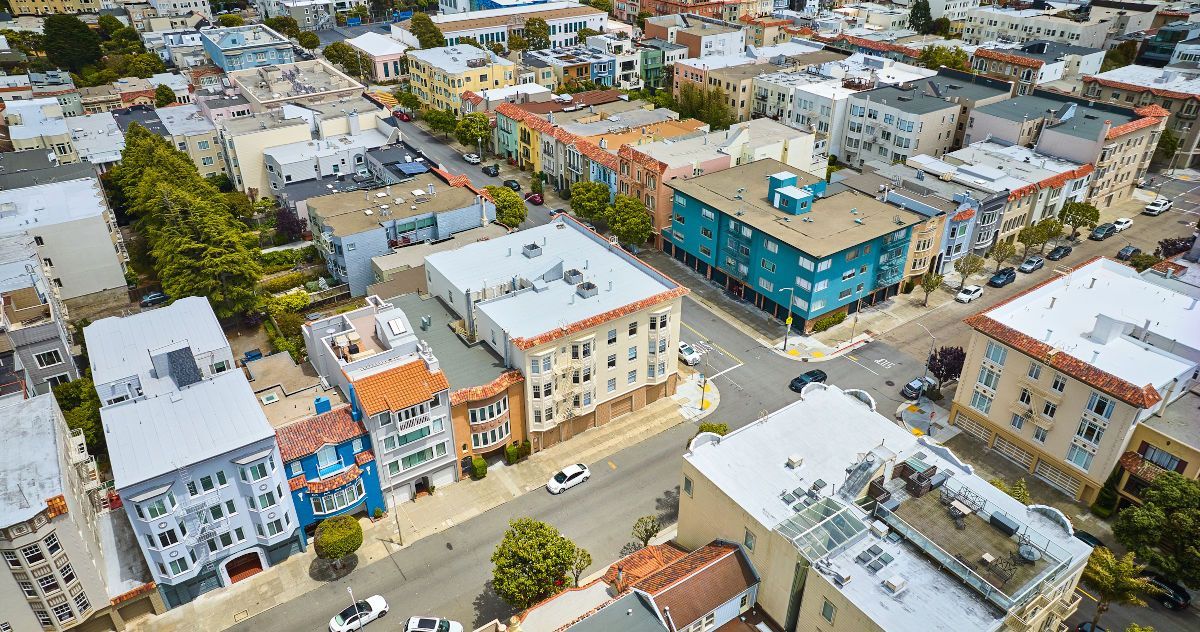
Remote work trends have significantly influenced rental demand in San Francisco. The ability to work from home has liberated individuals from the need to live close to their workplaces, opening up possibilities for them to explore new locations. As a result, demand has shifted from the expensive city center towards more affordable neighborhoods. Remote workers are now looking for spacious rentals with dedicated office spaces, access to nature, and amenities like cafes and grocery stores.
Impact on Rental Prices:
With the increase in remote work opportunities, many professionals are migrating from expensive rental markets, such as San Francisco, to more affordable cities. This migration can put downward pressure on rental prices in cities with high living costs. Landlords and rental property managers in San Francisco must be aware of this trend and adapt their pricing strategies accordingly. It is essential to conduct regular market research and review rental prices to remain competitive and attract remote workers.
Rethinking Property Amenities:
To attract remote workers, landlords and rental property managers must understand the changing needs of their target market. Instead of mourning the loss of traditional office spaces, consider transforming or upgrading underutilized areas in rental properties into functional home offices. Key features such as built-in desks, reliable internet access, and comfortable seating arrangements are crucial in creating a conducive workspace. Special attention to lighting and including shared workspaces within the rental property can further enhance the property's attractiveness to remote workers. By actively adapting to the preferences of remote workers, landlords can position their properties as appealing options in the rental market.
Promoting Community and Networking Opportunities:
Remote workers may feel isolated and miss out on social interactions in traditional office settings. Landlords and rental property managers can create a sense of community by organizing social events, collaborating with local businesses to offer discounts or perks to residents, or providing common areas where remote workers can connect and network. Incorporating these elements can make a rental property more attractive to remote workers seeking a sense of belonging.
The Future of Remote Work and Rentals in San Francisco:
As remote work continues to shape the rental market in San Francisco and beyond, renters and landlords must adapt to the changing landscape. While the shift towards remote work may have initially posed challenges for landlords and rental property managers in San Francisco, it also opened up new opportunities to attract remote workers and adapt to their needs. By rethinking property amenities, prioritizing flexibility, promoting community and networking opportunities, and embracing health and wellness, landlords can position their rental properties as desirable options for remote workers. Learn more about optimizing your rental property to fit this growing demographic here. Together, let's embrace this new direction and create rental properties that provide a welcoming and suitable environment for the evolving remote workforce.

At Bancal, we offer expert advice and practical solutions to navigate this changing landscape. Whether it's rethinking property amenities to create functional home offices, understanding the impact of remote work on rental prices, or fostering a sense of community and networking opportunities, we provide the expertise and insights to help landlords position their rental properties as attractive options for remote workers. Contact us today to learn more about our services.
Author - Kelli Smith