DO YOU NEED AN ONSITE MANAGER? San Francisco Property Management Expert Explains

If an unexpected maintenance need arises at your building or there’s a security threat or a resident locks themselves out of their apartment, it can be a huge relief to have an onsite manager present to take care of the situation right away. Fewer phone calls need to be made and problems can often be solved in hours rather than days.
Onsite
managers at your San Francisco building can offer several advantages, but they also come with some unique challenges and difficulties. The first question you need to ask yourself when you’re considering whether you want an onsite manager is this: are you legally required to have one?
CALIFORNIA LAW AND ONSITE MANAGEMENT
California requires all buildings with more than 16 units to employ an onsite manager.
Buildings with fewer than 16 units do not have this legal requirement, but it’s not uncommon for an owner to hire an onsite manager or maintenance expert to be on hand for any repairs, tenant disputes, or other matters.
1. ONSITE MANAGERS ARE CONSIDERED STAFF
When you have an onsite property manager, you’re essentially hiring staff. California law requires that the property manager at your property be classified as an employee. This can create some extra expenses and responsibilities for owners, and you’ll need to be aware of those.
Because your onsite property manager is an employee, you are legally required to provide workers compensation insurance. You also have to withhold all required federal and state income taxes from their salary and contribute to social security.
You’ll need to pay at least the minimum wage, and since you’ll likely provide a portion of the rent in exchange for work, you’ll want to be sure you have a detailed written contract in place when you hire an onsite manager.
2. WHY YOU MIGHT NEED ONSITE MANAGEMENT
When you own a building with more than 16 units, your question about hiring an onsite manager is answered: not only do you need one, you’re legally required to hire one.
If you’re not quite at the 16 unit threshold and you’re still considering an onsite manager, they can be particularly helpful with filling the following needs:
- Rent collection
- Showings and tours
- Tenant screening
- Serving notices when rent is late
- Responding to questions from tenants
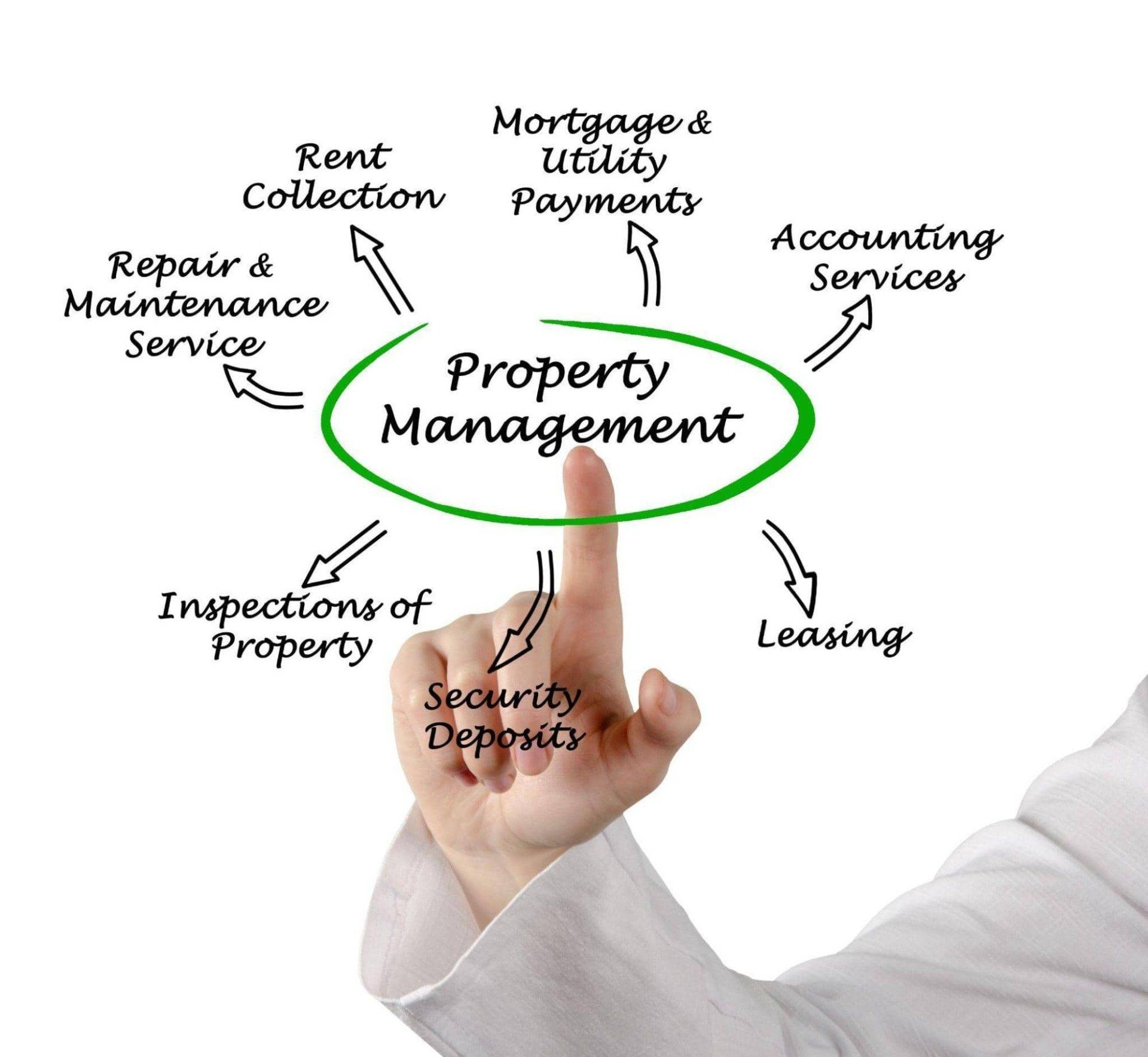
- Overseeing maintenance
- Providing reports to property owners
Ultimately, you have the peace of mind that someone is at the property to respond to anything that comes up.
3. WHY YOU MIGHT NOT NEED ONSITE MANAGEMENT
Here’s the major drawback to onsite management when you aren’t required to have it: an onsite manager takes up one of your available units.
This is a loss, financially, and you need to decide if the benefits of having someone at the property make up for the lost rent you’ll encounter by setting that unit aside for your manager.
You’ll need to find someone you can really trust. Your onsite manager will have access to tenant information and financial records. This comes with a lot of responsibility and accountability. Many owners find that they don’t want to take on the risk if they don’t have to.
Can offsite management work just as well?
If you’re already working with a San Francisco property management company, having an onsite manager probably won’t bring much value, especially if you’re renting out six, eight, 10, or even 12 units. Your property manager will be just as responsive as an onsite manager would be when it comes to things like maintenance and vacancy. As professionals, they might even be more responsive.

SAN FRANCISCO PROPERTY MANAGEMENT FOR 16 UNITS OR LESS
When you have a larger building of more than 16 units, an onsite manager is required. But, if you’re not sure whether you need one for a smaller building - chances are, you might be just fine with a San Francisco property management partner who is not living in one of your units. At BanCal Property Management, we’ve been managing units and buildings of all sizes for 30 years. We can help you.
To hear more about our leasing and management services, please
contact us at BanCal Property Management. We also welcome your comments, questions, and suggestions for topics you want to learn about, so please share those too. Let us know what you think about the pros and cons of onsite management in San Francisco.
Author - Tammy McNaught